10 things which might surprise you while visiting Budapest – Small but shocking differences
Hungary is a land of rich history and stunning architecture, but for many travellers, the true charm (and sometimes the confusion) lies in the small, everyday quirks that set it apart from the rest of the world. If you are visiting Budapest, knowing these “unwritten rules” won’t just save you from an awkward moment it will make you feel like a local. Here are the most fascinating Hungarian peculiarities.
We collected you 10 odd things which you might spot immediately, or they might click later during your visit among us.

Photo: etias
-
The mineral water color code

Photo: gyerekszoba.hu
In most of the world, blue caps mean still water and red or green caps mean sparkling. In Hungary, it is the opposite, and it’s a mistake almost every tourist makes at least once:
- Pink Cap: Still water (szénsavmentes).
- Blue Cap: Sparkling/Fizzy water (szénsavas).
- Green Cap: Mildly sparkling (enyhe).
Remember: Think Pink for Still!
-
Don’t clink your beer glasses
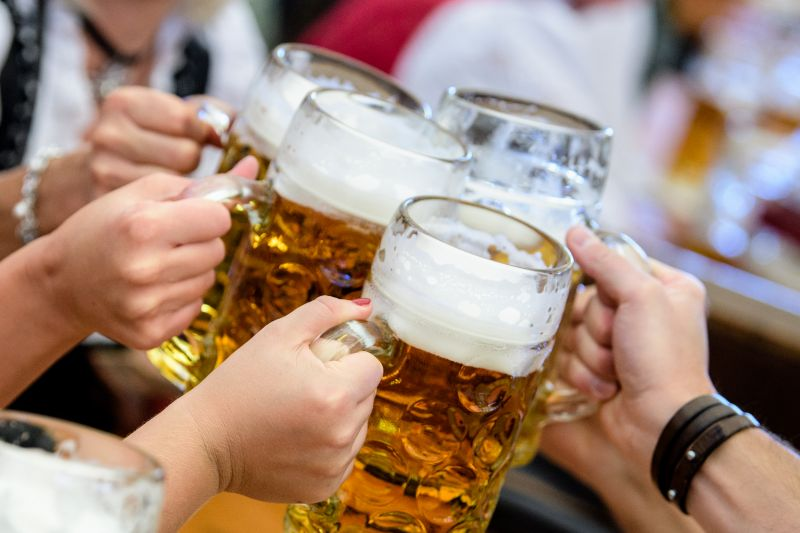
Photo: Blikk
If you’re at a ruin pub and someone stops you from clinking your beer mugs, don’t be offended. This is a historical custom dating back to 1849. After Hungary’s defeated revolution against the Habsburgs, legend says the Austrians celebrated by clinking beer glasses. Hungarians vowed not to clink beer for 150 years. Although that time has technically passed (in 1999), the tradition stuck.
The Rule: You can clink with wine, pálinka, or soda, but with beer, just raise your glass, look your partner in the eye, and say “Egészségedre!” (egg-ash-egg-ed-reh)
-
Last name first

Photo: proab.hu
Hungary is one of the few places in the Western world (alongside some Asian nations) that uses the “Eastern name order.”
Example: If you meet a man named Kovács Péter, his family name is Kovács and his given name is Péter.
In official documents, lists, or even when introducing themselves, Hungarians start with the surname.
-
Namedays are a big deal
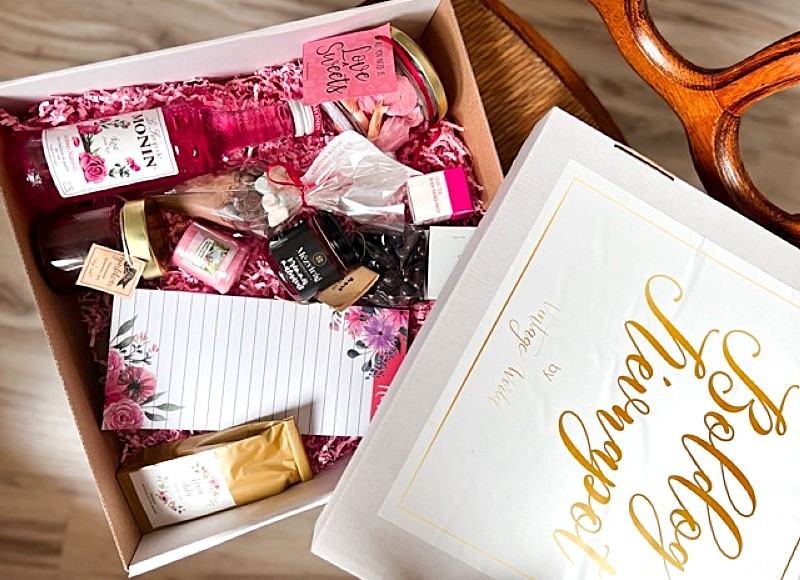
Photo: vintageworld.hu
In Hungary, your birthday isn’t the only day you get to celebrate. Every first name is assigned to a specific day on the calendar. On a “Nameday” (Névnap), it is customary to give flowers, chocolate, or a small gift to friends, colleagues, and family members. It’s essentially a second, smaller birthday that everyone knows about because it’s printed in every Hungarian diary and announced on the radio. In short namedays are perfect opportunities to get liquored up with pals.
-
Don’t put your bag on the floor
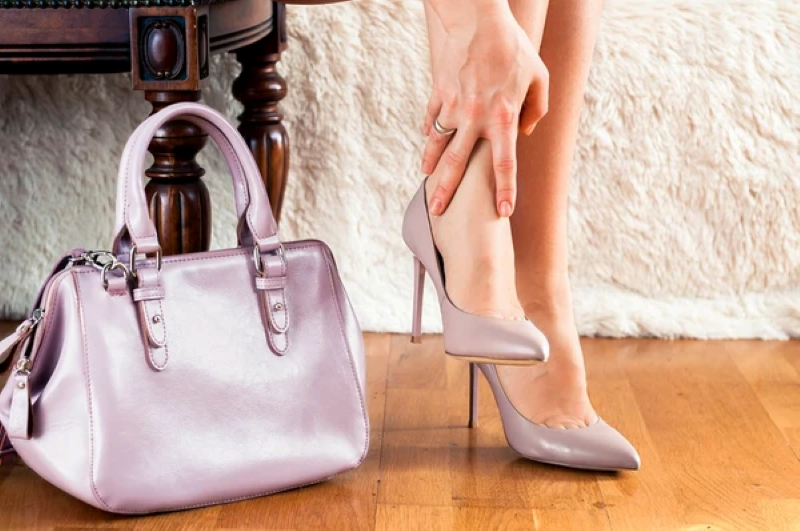
Photo: luxelink
This is a very common superstition. Many Hungarians believe that if you put your purse or backpack on the ground, your money will “fly away” (you will become poor). Even in crowded ruin pubs, you’ll see people awkwardly clutching their bags or hanging them on the back of chairs rather than letting them touch the floor. Not to mention that on the leaving your bag on the floor unattended, can lead you to forget about it leaving it altogether. Or making it an easier mark for thieves… So ask a friend to hold it or hang it somewhere you can see it.
-
The “Fröccs” (Sprizer)science
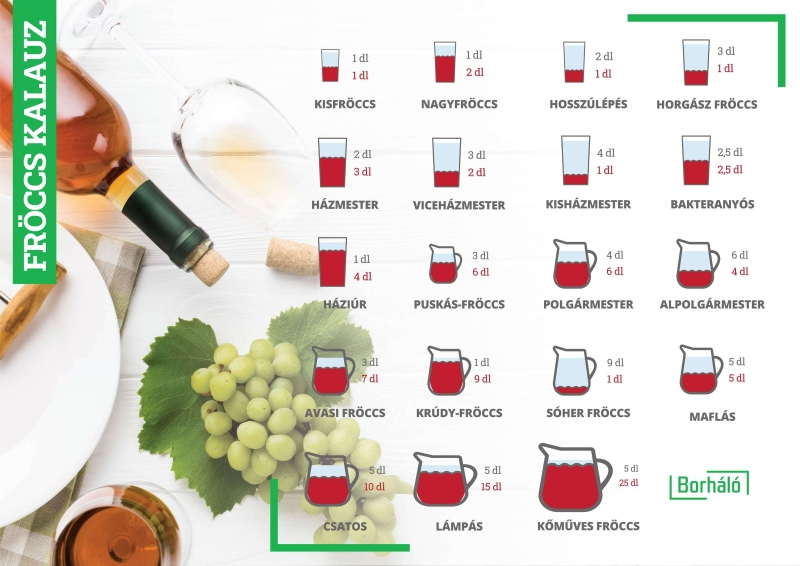
Image: Borháló
While the world knows “wine spritzers,” Hungarians have turned it into an art form called Fröccs. There are over a dozen different types of Fröccs based on the exact ratio of wine to soda water.
Extremely refreshing in the summer.
- Kisfröccs (1dl wine, 1dl soda)
- Nagyfröccs (2dl wine, 1dl soda)
- Hosszúlépés (1dl wine, 2dl soda-literally “Long Step”)
- Házmester (3dl wine, 2dl soda-translates to “Landlord”)
And many more variants are available, with increasingly funny nicknames. Ordering just “a wine with water” identifies you as a tourist immediately!
-
Poppy Seeds (Mák) are Everywhere
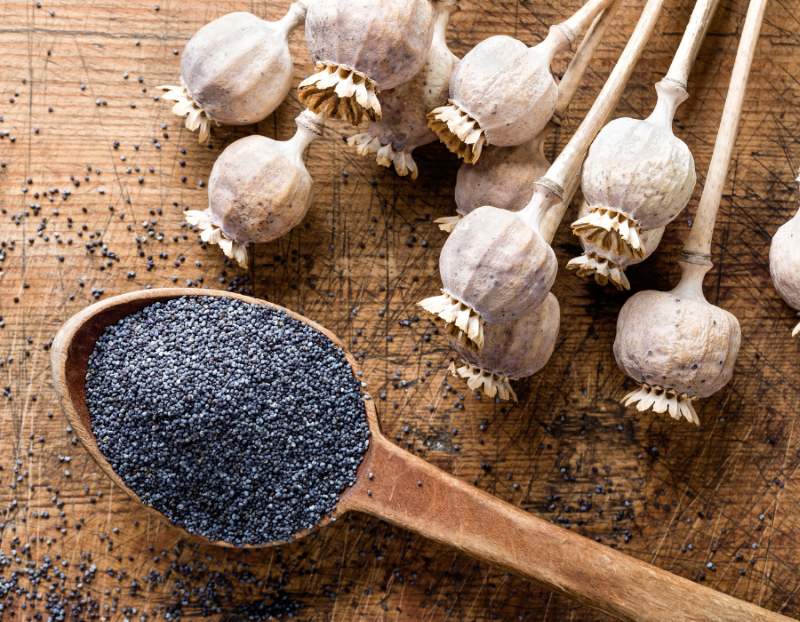
Photo: heavenuts.hu
In many countries, poppy seeds are a tiny decoration on a bagel. In Hungary, they are a main ingredient. Hungarians eat them by the pound in cakes (mákos bejgli) or even pasta with sugar (mákos tészta). Don’t be alarmed if your dessert looks like it’s covered in black sand and it’s delicious, though you might want to check a mirror for your teeth afterward! You might feel a bit relaxed, sleepy even due to the massive amount of opiates found in poppy.
-
Fast moving escalators
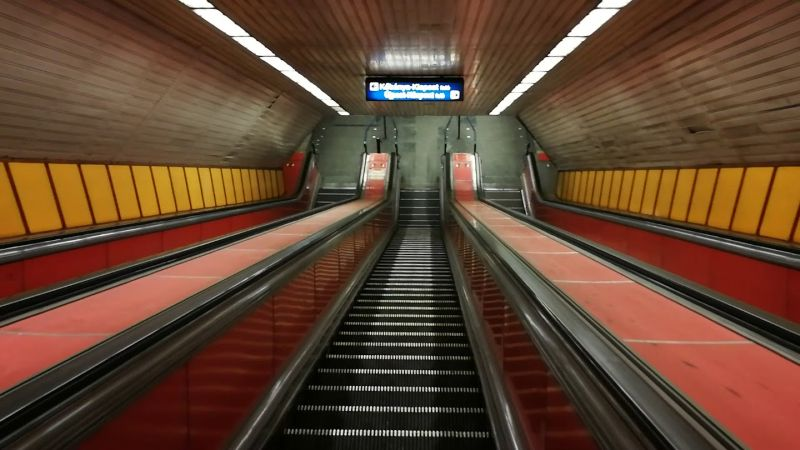
Photo: filgudek
We need to warn you in advance the escalators on the subways and metros are pretty darn fast! Budapest boasts with some of the steepest longest and fastest escalators. It can make you dizzy just by thinking about them. Be careful, but also confident and dare to take step on the moving platform. Remember to grab the safety belt on the side right away. There there, it was a giant leap for you and for humanity! After you regained your balance, try to stand on the right-hand side, as the left is used by those who are in a rush.
-
Monopoly money
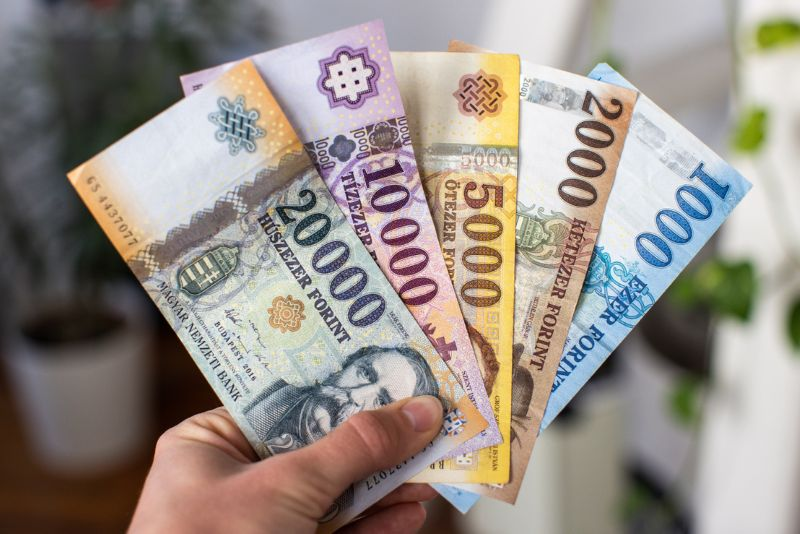
Photo: index.hu
Even though Hungary is part of the Schengen zone, the country does not accept the Euro as a legit currency. We have the Forint or HUF. Therefore, if you want to have some local cash on you just in case (Which is a terrific idea, because cash is still widely used in most of the shops) you might feel real rich as the notes are in the thousands! During the time this article is written the exchange rate is 360 HUF/ 1€. Taking into consideration that a lunch for 4 people would cost around 120€, which in Forints is 43.000 HUF so seeing the bill in forints for the first time can cause some nervous seconds until you realise that you have to pay in a different currency. But hey, you can at least feel like a millioner if you have at least 2800€ exchanged. Super underrated reason to visit Hungary…
-
The language

Image: 24.hu
Okay, we are not going to sugarcoat it, Hungarian is a tough language to learn and to listen to. We heard from our guests that, once they heard us talking in Hungarian, they thought we are into some shady business, like organ stealing or planning a robbery.
In reality we were concerned whether it’s going to rain or not, and how the passengers would react to the sudden change in weather. Hungarian is the 3rd most difficult language to learn and due to its isolated nature, it is also quite unique. There is a faint connection with the Finnish language as both derive from the Uralian language branch. There you have it! We hope that we could prepare you for the way of the Hungarians, and with the help of this mini guide you will be able to avoid some embarrassing situations. Here at Silverline Cruises we wish you a wonderful summer!